
On 12 November 2026, AI research and development lab Mirendil announced a $1 billion Series A led by Kleiner Perkins and Clearlake Capital, with Google among the participating investors. The company said the round also drew Battery Ventures, Doerr Capital, Gil & Co, M13, Pear VC and S32, alongside other new and existing backers. At $1 billion, it sits among the larger Series A rounds reported this year.
Who put in the money
Kleiner Perkins and Clearlake Capital led, according to Mirendil’s own announcement. The participant list published by the company runs to Battery Ventures, Doerr Capital, Gil & Co, Google, M13, Pear VC and S32, with existing investors also taking part. Mirendil did not publish a valuation in its post.
Andreessen Horowitz’s jobs newsletter, dated 12 November 2026, described the round as closing “at a $5B valuation” and as “5x their seed valuation”. That figure has not been confirmed as a closed-round number by Bloomberg, Reuters, TechCrunch or The Information; Bloomberg reported a $5 billion figure in September only in the context of talks. Readers tracking numbers across recently funded startups should treat the valuation as newsletter reporting rather than a company disclosure.
Accounts of the earlier round also differ. The a16z jobs newsletter said Mirendil came out of stealth roughly four months earlier with a $200 million seed “led by a16z”. FemWealth reported the same $200 million seed at a valuation of about $1 billion, led by Andreessen Horowitz and Kleiner Perkins, with NVIDIA involved. The two versions do not agree on who led, and neither lead has been reconciled in a company statement.
What Mirendil is building
Mirendil describes itself as an AI R&D lab building tools to “democratize frontier AI R&D”. Its first model, Mirendil-Base, is a coding model that the company said a single researcher, working with agents, pretrained from scratch in 3.5 months using less than $10 million in compute. Fern was post-trained from that base model and handles up to 10 million tokens of context.
The third product, Lor, is in private beta. The company said Lor brings hundreds of agents together to write code and run experiments, and that Mirendil itself runs on Lor every day. That internal-use claim is the clearest signal of what the lab is selling: an agent layer for research work rather than a general consumer assistant.
Compute sits behind all of it. The a16z jobs newsletter said Mirendil signed a partnership in August worth more than $100 million with Google Cloud, covering a mix of TPUs and NVIDIA GPUs. That agreement is separate from the Series A, though Google’s appearance on the investor list makes the pairing worth noting.
What the raise means for vendors
A $1 billion Series A changes the buying pattern. Mirendil has not said how it intends to spend the money, though a raise of this size at an AI research lab typically points towards more compute and more hiring. A lab running hundreds of agents daily also needs evaluation tooling, data pipelines, observability, security review and inference cost monitoring. Vendors selling into that stack have a short window while procurement is still being built rather than locked.
The private beta status of Lor matters too. Early-access products tend to pull in design partners, integration work and support contracts before general availability. Suppliers tracking AI startups at this stage will find the pattern familiar: spending moves fast, then standardises.
For context on how rounds of this size compare with the rest of the market, see the wider list of Series A startups raising this cycle.
Free: top-10 + totals • Paid: full list + verified contacts
This is free coverage of a funding event. Growth and Scale unlock every newly funded company we track each week, plus verified decision-maker contacts.
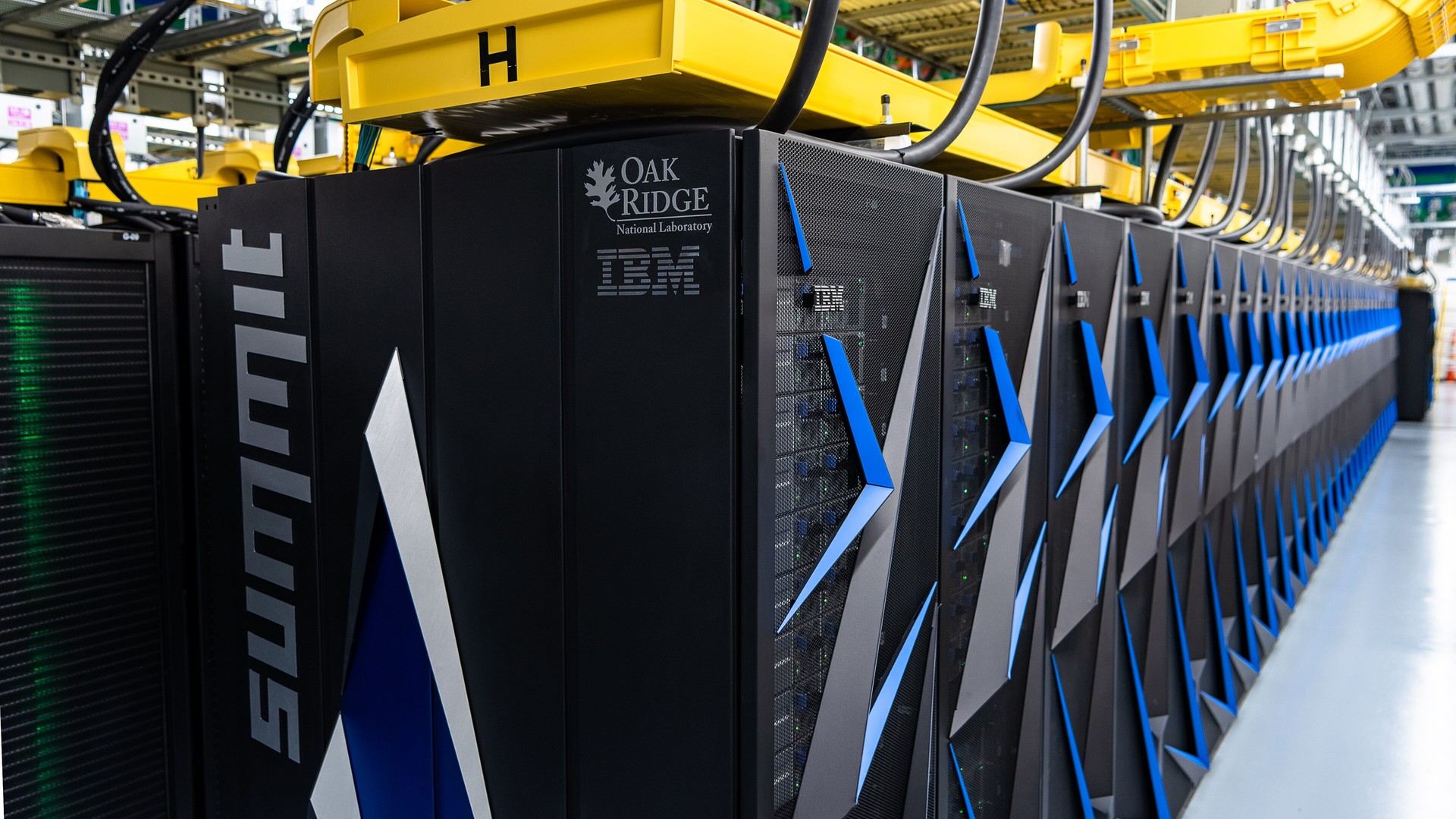
Sources: Mirendil, 12 November 2026; a16z jobs newsletter; FemWealth; Securities.io. Featured image: the Summit supercomputer at Oak Ridge National Laboratory, a stand-in, not Mirendil’s cluster, photo: Oak Ridge National Laboratory, Wikimedia Commons, CC BY 2.0.