
On 12 November 2026, Sydney-based quantum infrastructure software company Q-CTRL announced a US$290 million (A$415 million) Series C led by Salesforce Ventures, a round the company said “mints the newest quantum-sector unicorn”. Quartz, citing Bloomberg, reported that the financing values Q-CTRL at more than $1 billion, and Capital Brief described a valuation above US$1 billion. Q-CTRL said the round was oversubscribed and was expanded twice to meet investor demand, and that it is the largest quantum-sector fundraise for a software-focused business.
Forbes, carried by Yahoo Finance, reported that the company’s Series B totalled $113 million across 2021 to 2024, which makes this single round larger than everything raised in the prior stage combined.
Who put in the money
Salesforce Ventures led the round. The company said Bullhound Capital and Affinity Partners took significant participation. New investors named by the company are Affinity Partners, AMD Ventures, EDGE Group, MPower Partners, Australia’s National Reconstruction Fund Corporation and SPARX Asset Management.
Returning backers listed by the company are Alpha Edison, Alumni Ventures, Bullhound Capital, DCVC, In-Q-Tel, Lockheed Martin Ventures, Main Sequence, Ridgeline, Salesforce Ventures, Salus Ventures and Square Peg. Salesforce Ventures appears both as the lead and on the returning list, which is how the company set it out. Capital Brief reported that Australia’s National Reconstruction Fund tipped in A$70 million, a figure attributed to that publication rather than to the company.
What Q-CTRL is building
Q-CTRL sells quantum infrastructure software, positioning its work as “AI for quantum” — control and error-suppression layers that sit between quantum hardware and the applications running on it. That software focus is what separates it from the capital-hungry hardware builders that dominate headlines among AI startups and quantum computing firms alike.
Its marquee product is Ironstone Opal, a quantum navigation system the company said works when GPS is unavailable or denied. Q-CTRL said the system is being deployed on commercial aircraft with Airbus, in autonomous platforms with Lockheed Martin, and on unmanned drones. Capital Brief named Lockheed Martin, Airbus and IBM as customers. The company said it operates globally from offices in Sydney, Los Angeles, San Francisco, Huntsville, Berlin and Oxford, a footprint that tracks defence and aerospace buying centres as much as research ones.
What the raise means for vendors
For suppliers and channel partners, a round of this scale changes the buying profile. Putting Ironstone Opal on commercial aircraft with Airbus and on autonomous platforms with Lockheed Martin is an integration problem first, so the near-term demand sits with systems integrators, qualification and certification specialists, and testing partners who can take a software product through aerospace and defence acceptance processes.
The investor list hints at where procurement pressure will come from. EDGE Group, In-Q-Tel, Lockheed Martin Ventures and the National Reconstruction Fund Corporation each sit close to defence and sovereign-capability programmes, which usually brings compliance, export-control and security-clearance requirements down the supply chain. Vendors selling into Q-CTRL should expect documentation, traceability and assurance demands closer to aerospace standards than to ordinary software procurement, and secure development and cloud environments to match.
Professional services firms also stand to benefit. Scaling across six offices on three continents means recruitment, legal, tax and facilities work, alongside the enterprise software spend that follows headcount growth. Local suppliers already working with Australian startups or other Series C startups are well placed as that spending ramps.
Free: top-10 + totals • Paid: full list + verified contacts
This is free coverage of a funding event. Growth and Scale unlock every newly funded company we track each week, plus verified decision-maker contacts.
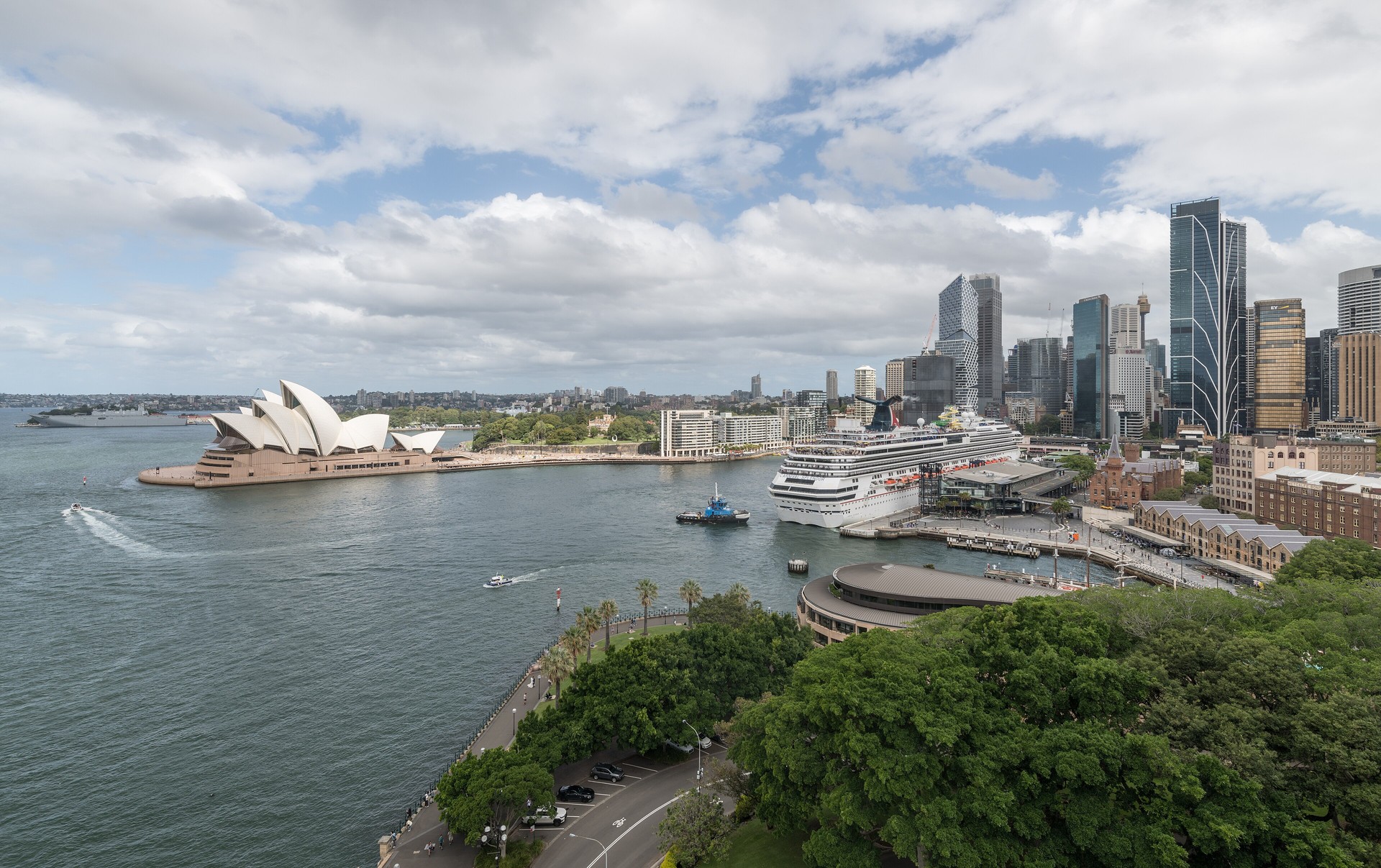
Sources: Q-CTRL, 12 November 2026; Quartz, citing Bloomberg; Capital Brief; Forbes via Yahoo Finance. Featured image: Sydney Opera House, the Rocks and the Sydney CBD, by DXR, Wikimedia Commons, CC BY-SA 4.0.