
Payhawk announced on 18 November that it has raised $280 million in a Series C at a $2 billion valuation, an all-equity round led by Growth Equity at Goldman Sachs Alternatives. TechCrunch, citing Sifted, describes it as one of Europe’s largest Series C rounds this year, and the deal puts a well-funded buyer in front of vendors selling into fintech startups.
Who put in the money
Growth Equity at Goldman Sachs Alternatives led the round as a new investor. According to the company, all existing investors participated, including QED, Greenoaks, Lightspeed, Hedosophia and Bek Ventures. New backers joining alongside the lead include Galdana Ventures, Cogito Capital, Inveready and Invus, plus two European entrepreneurs investing as angels. Payhawk says the round is all equity and brings total funding to more than $515 million.
Tech.eu notes that the raise doubles the valuation Payhawk set in its 2022 round, the financing that first made it a unicorn; TechCrunch reports that the 2022 round valued the company at $1 billion. Those figures are a useful reference point for anyone tracking deal sizes across European startups. The company adds that the transaction remains subject to standard regulatory approvals.
What Payhawk is building
Payhawk sells spend management software spanning cards, expenses, payables and procurement, travel, and reporting. The company describes its ambition as building a finance operating system for the AI era, in which AI agents, payments infrastructure and enterprise controls run finance together, and says the new capital will fund a move beyond core spend management toward that broader platform. It operates in 33 countries with 12 offices.
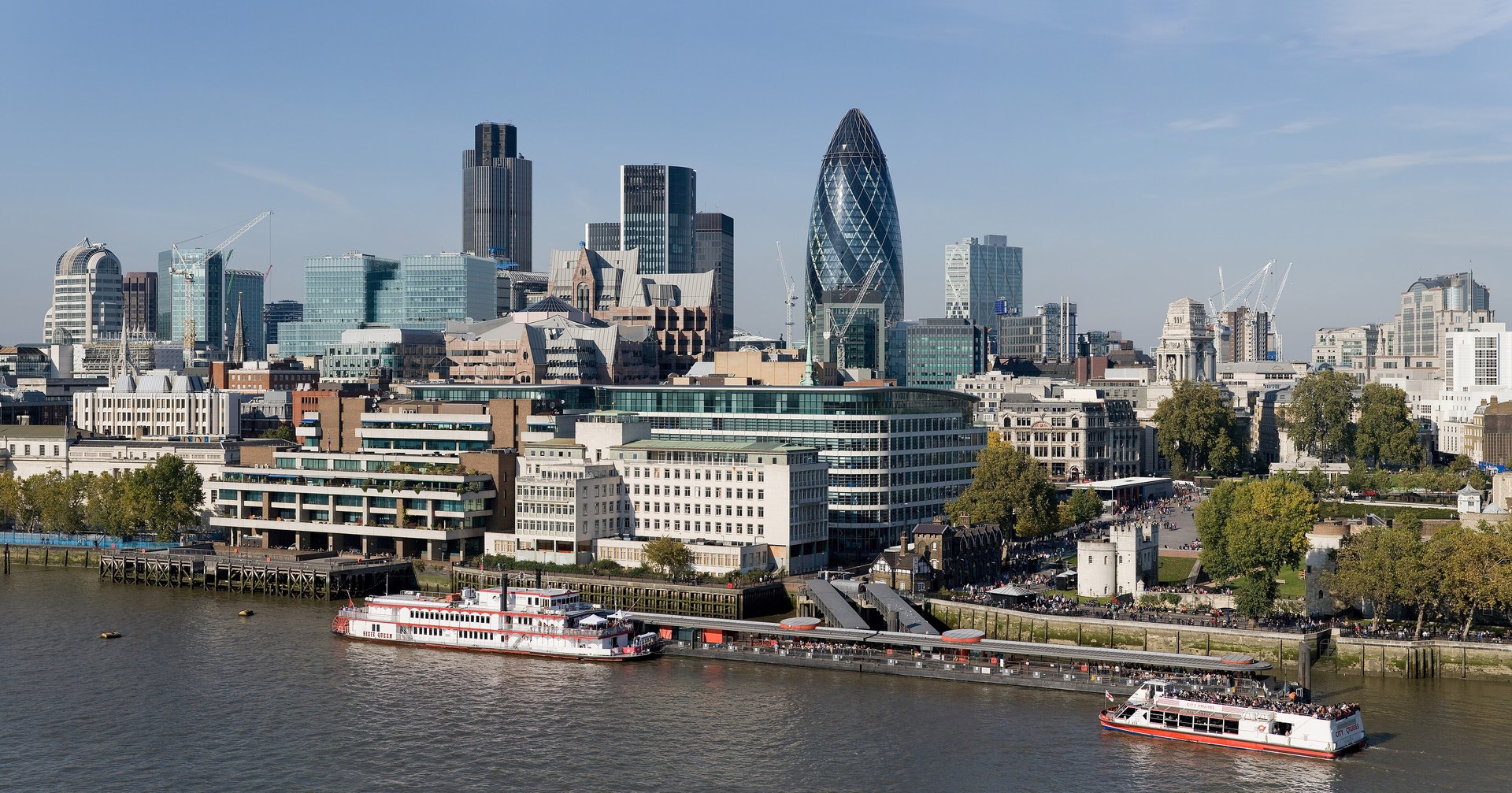
The company was founded in Sofia, Bulgaria, and is headquartered in London (see London startups), a profile tech.eu summarizes as Bulgaria-founded and London-headquartered; TechCrunch dates the founding to 2018.
On traction, Payhawk says 77% of its customers use its agents daily across financial control, procurement, travel and reporting, and that the business reached positive cash flow in the third quarter. The company also states it still holds 70% of the capital raised in its 2022 round, that its pricing is built on predictable subscription fees rather than card interchange, and that in the US its Financial Controller Agent works with customers’ existing business cards.
What the raise means for vendors
Rounds of this size generally change how a company buys, though the specifics vary by organization and nothing here should be read as a description of Payhawk’s internal plans. As a general pattern, a platform expansion mandate tends to pull spending toward engineering tooling, data infrastructure, model and inference costs, security and compliance tooling, and the localization work that multi-country operations require. Vendors who can map their offering to a stated product direction usually get further than those leading with generic capability claims.
Timing also matters when a deal carries a regulatory-approval condition, since procurement cycles at the buyer may not accelerate until the paperwork clears. Sellers tracking UK startups often build their outreach calendar around announcement dates rather than close dates, then follow up once hiring postings confirm that budget is moving. Watching headcount growth across finance, compliance and go-to-market teams is typically a better signal than the headline number.
Finally, companies that emphasize subscription-based pricing and cash discipline tend to scrutinize per-seat and usage-based contracts closely. Vendors approaching newly funded startups in that position often do better with transparent pricing, short pilots and clear implementation timelines than with long-term commitments negotiated before a platform roadmap is public.
Free: top-10 + totals • Paid: full list + verified contacts
This is free coverage of a funding event. Growth and Scale unlock every newly funded company we track each week, plus verified decision-maker contacts.
Sources: Payhawk, 18 November 2026; TechCrunch; Tech.eu. Featured image: the City of London skyline, by Diliff / Wikimedia Commons, CC BY-SA 3.0, via Wikimedia Commons.